AI Means Less Cup Noodles
How AI brings tailored outcomes over standardized tools.
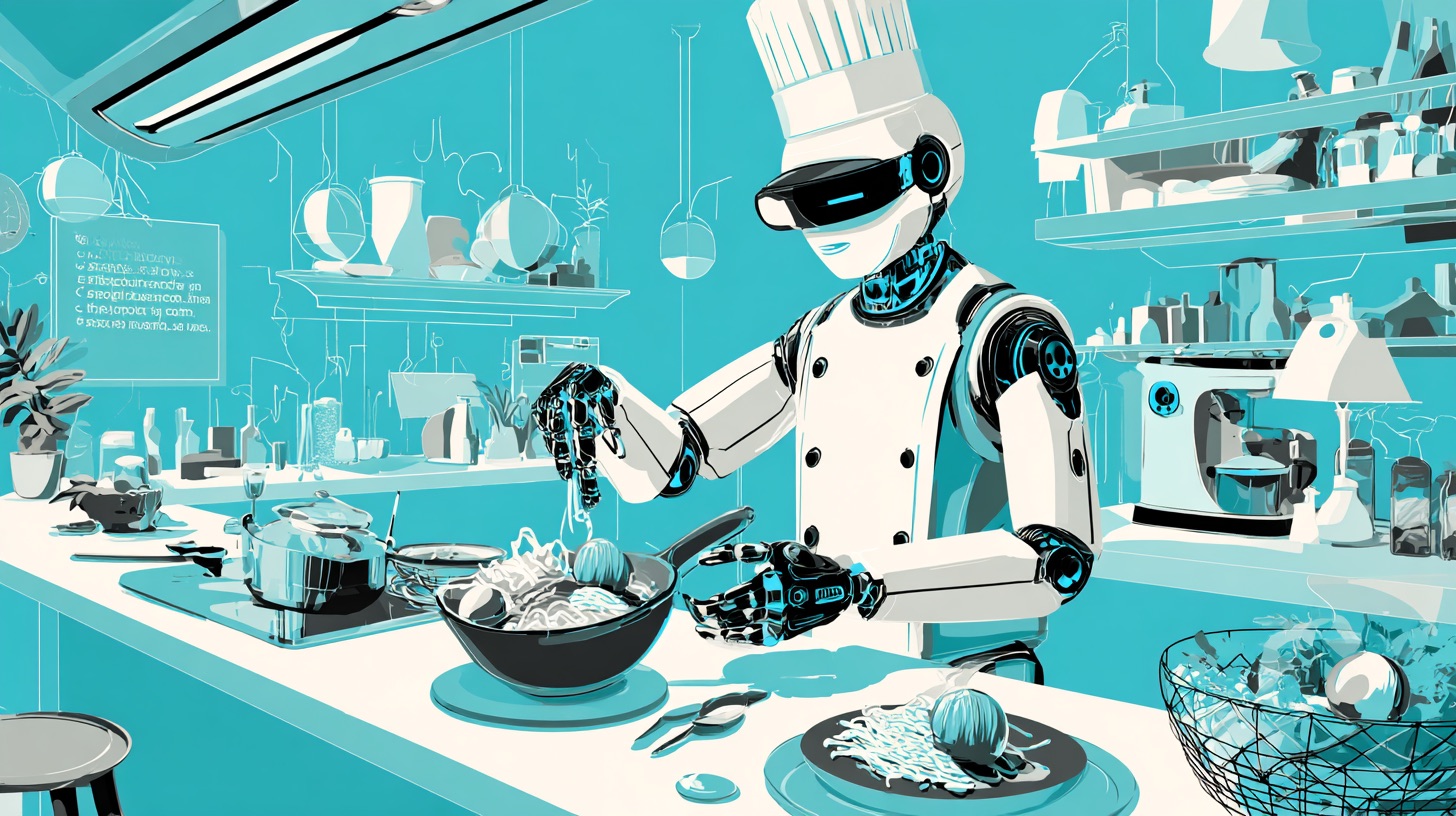
(Don’t worry, this is a post about software)
We’ve always been used to using existing building blocks, especially during what I call the “halvfabrikat era” of software — a time dominated by SaaS, frameworks, SDKs, and plugins. These were shortcuts that scaled rapidly, allowing us to replicate and ship solutions swiftly. It made perfect sense back then when building everything from scratch was the norm.
But now, AI is transforming this landscape, and as I have mentioned before, software is becoming a commodity.
From Ready-Made Meals to Custom Cuisine
Think of the old software methods as microwave meals — convenient and quick, but often one-size-fits-all. AI is changing the game, enabling what I describe as chef-bots that tailor software to specific needs. Imagine telling an AI to make you dinner based on your dietary requirements and what's currently in your fridge. That's what software needs to become — personalized solutions crafted for the individual user rather than the masses.
This shift means that SDKs and frameworks don’t disappear; instead, they become less noticeable as AI shifts from developer-facing building blocks to agent-facing primitives. We’re not eliminating these elements but integrating them smarter, allowing AI to enhance decision-making and execution.
A Shift Toward Efficiency and Relevance
Adopting AI means less waste. Gone are the days of bloated features and tools nobody uses. Software now molds itself to the organization, the role, and the moment — much like tailored clothing that fits perfectly instead of something off-the-rack. This precision not only saves resources but fosters a more meaningful interaction with technology.
The first areas of disruption will likely be CRUD apps, internal tools, and glue workflows where differentiation is thin. AI-driven transformation in these areas streamlines operations and reduces the distracting sprawl of redundant tools.
We now see shares of SaaS-companies tanking because people are vibe-coding their own custom software to solve small problems instead of paying for a big subscription.
Ultimately, the future moat lies in data, distribution, and trust — making sure AI-driven solutions come with robust governance and reliable feedback loops. So, we’re not just cooking up software; we’re refining it with the expertise of a master chef, underpinned by quality control and context. A new culinary journey in software is just beginning.
